Grow Bamboo.
Build Your Future.
A complete guide for farmers — from choosing the right variety
to maximising your harvest and income.
Why Grow Bamboo?
Bamboo is one of the most profitable and sustainable crops a farmer can invest in.
Fastest Growing Plant
Some species grow up to 91 cm per day. You see results fast, unlike most tree crops.
Low Water Need
Once established, bamboo is largely drought-tolerant — perfect for dry-season farming.
Multiple Revenue Streams
Sell culms, shoots, leaves, charcoal, or processed products. Income never stops.
Carbon Credit Eligible
Bamboo plantations qualify for carbon credits — an additional income source for farmers.
High Market Demand
Used in construction, furniture, textiles and handicrafts — demand is always growing.
Improves Your Land
Bamboo roots prevent soil erosion, improve moisture retention and restore degraded land.
Bamboo Varieties
Choose the right variety for your land, climate and target market.
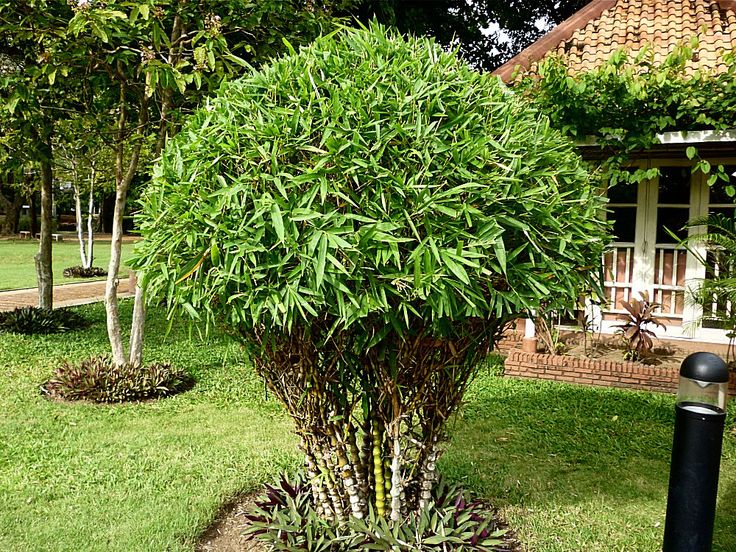
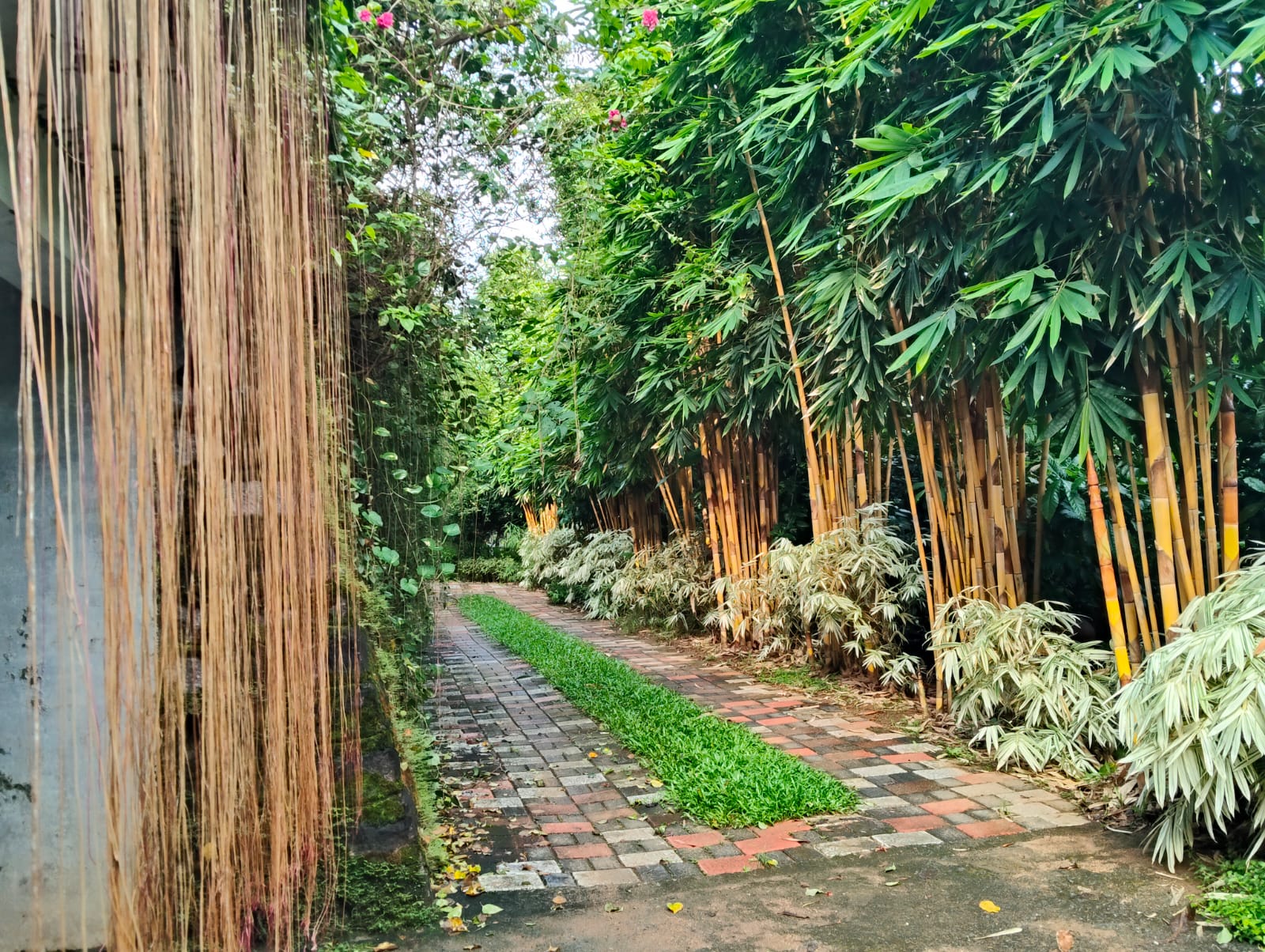
Ornamental Bamboo
Ornamental bamboo provides a fast-growing, evergreen, and architectural element, offering dense privacy screening and a tropical or Japanese aesthetic to landscapes.
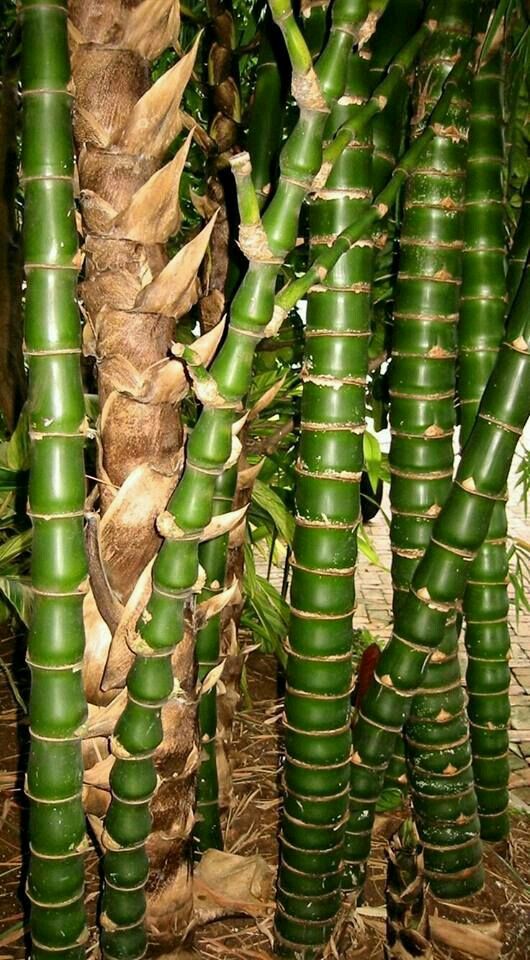
Golden Bamboo
Famous for beautiful golden-yellow canes in sunlight. Fast-growing and highly sought after for garden landscaping, handicrafts and walking sticks.
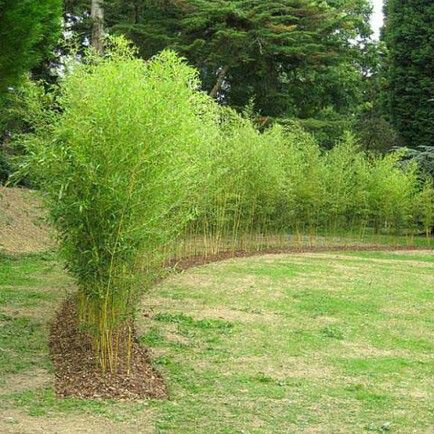
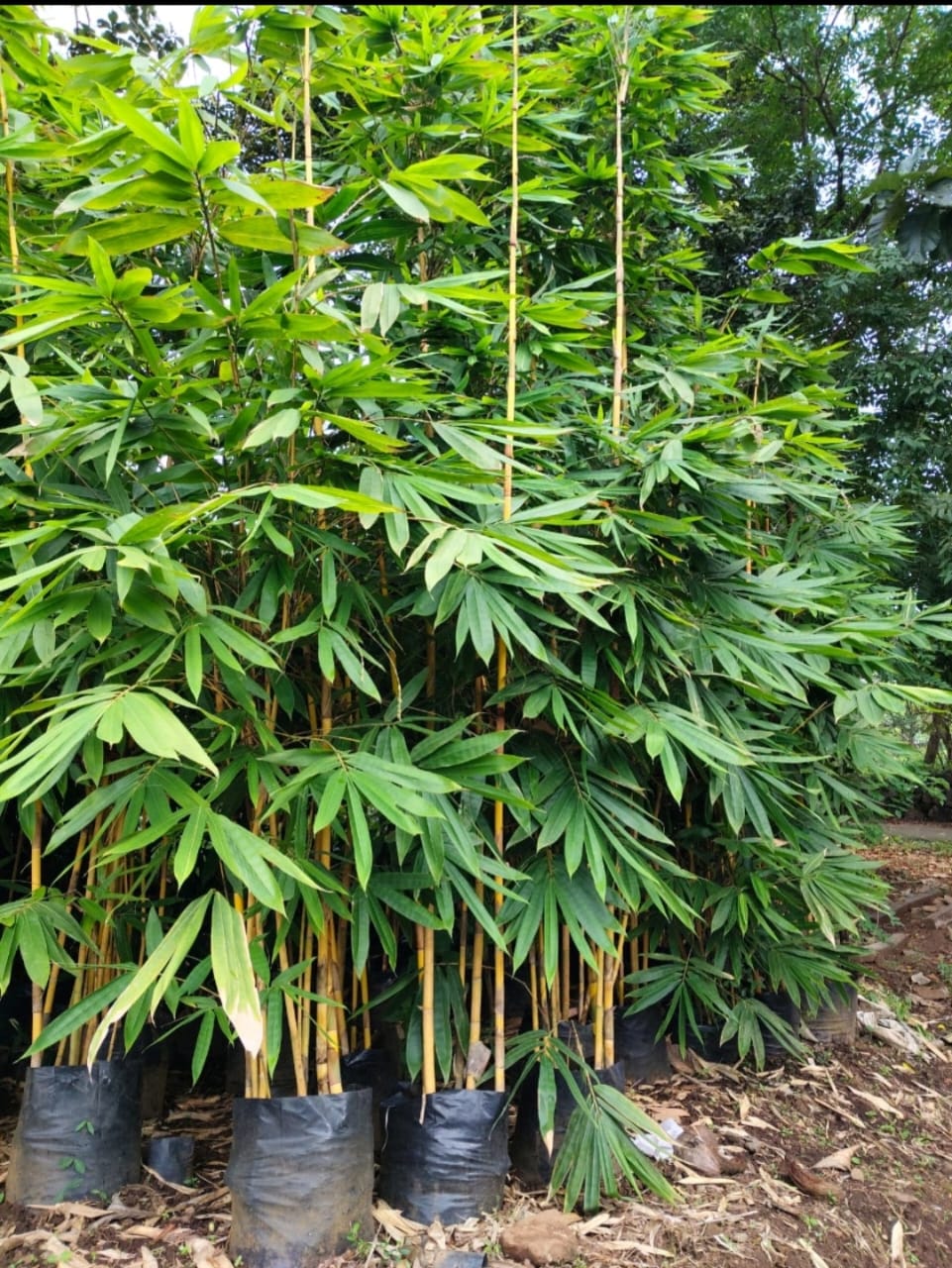
Landscape Bamboo
Bamboo nurseries specialize in propagating and supplying high-quality bamboo saplings.In landscaping, bamboo is a versatile, fast-growing evergreen grass.
Indoor Bamboo
Indoor bamboo, most commonly Dracaena sanderiana (Lucky Bamboo).Lucky bamboo (Dracaena sanderiana) is believed to bring good fortune, prosperity, and positive energy into a space.
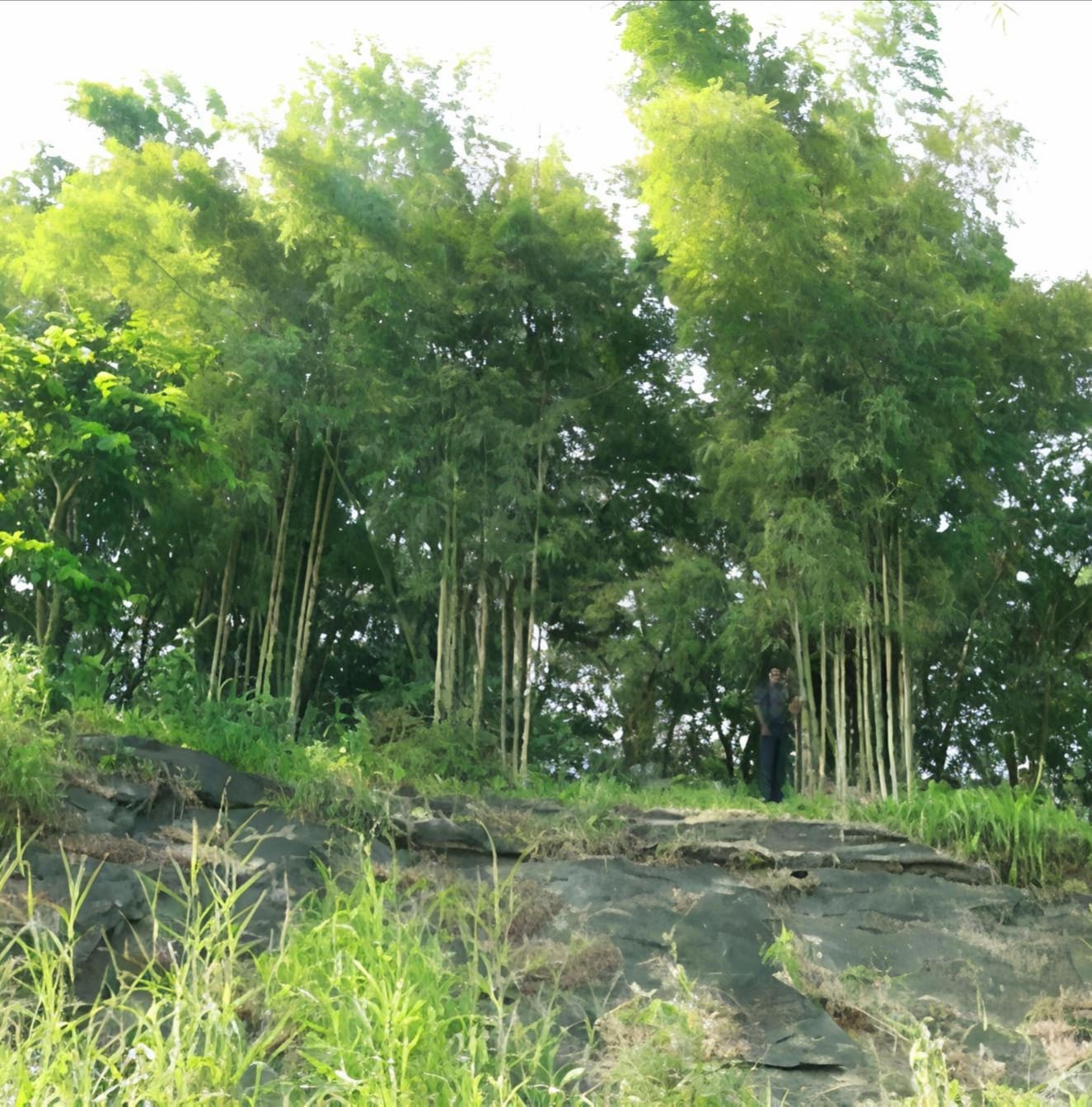
Industrial Raw Materials
Industrial raw material bamboo refers to specific fast-growing, heavy-yielding bamboo species cultivated on a large scale to supply commercial industries. Known as "green gold," this is a highly sustainable crop.
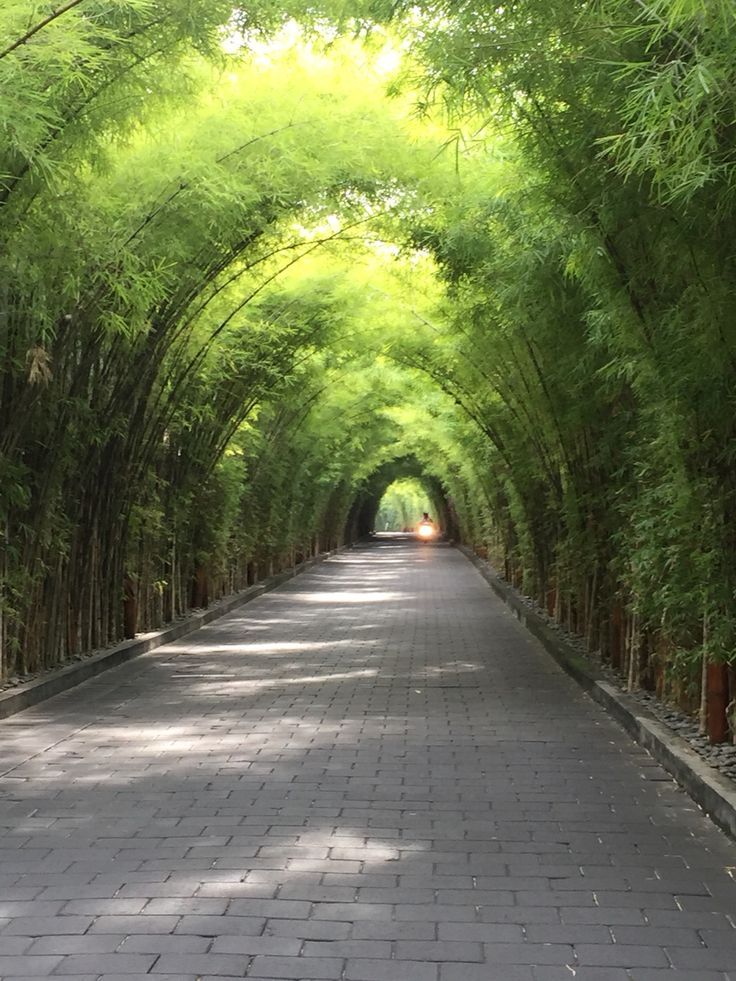
Natural Designs
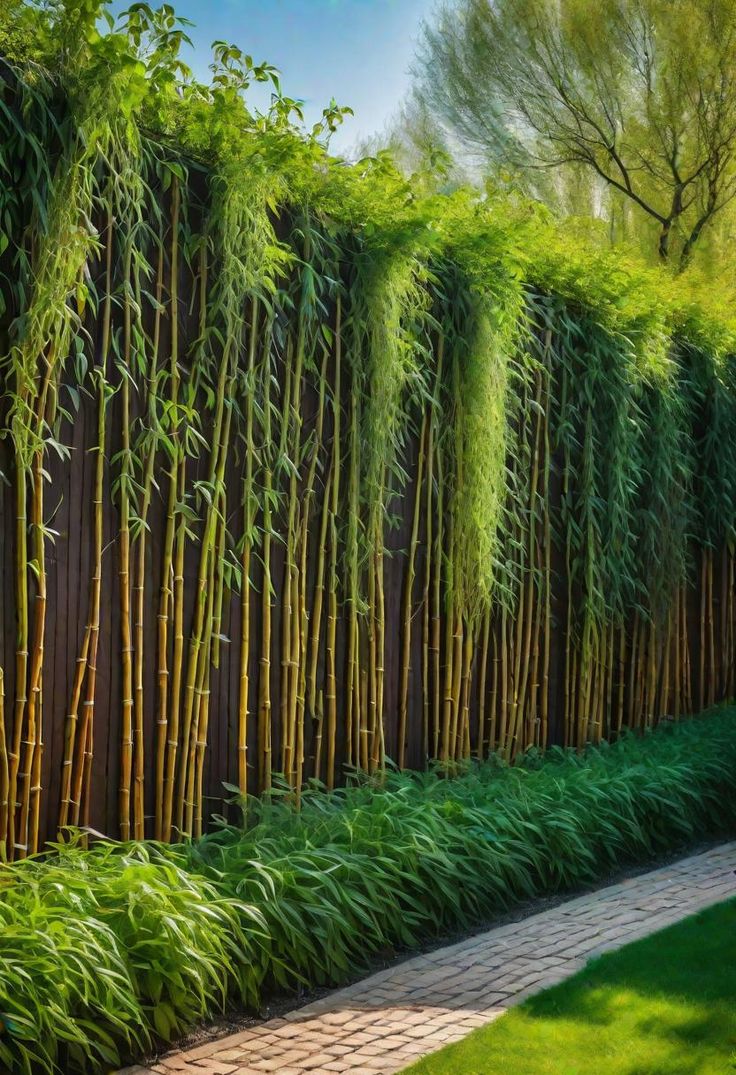
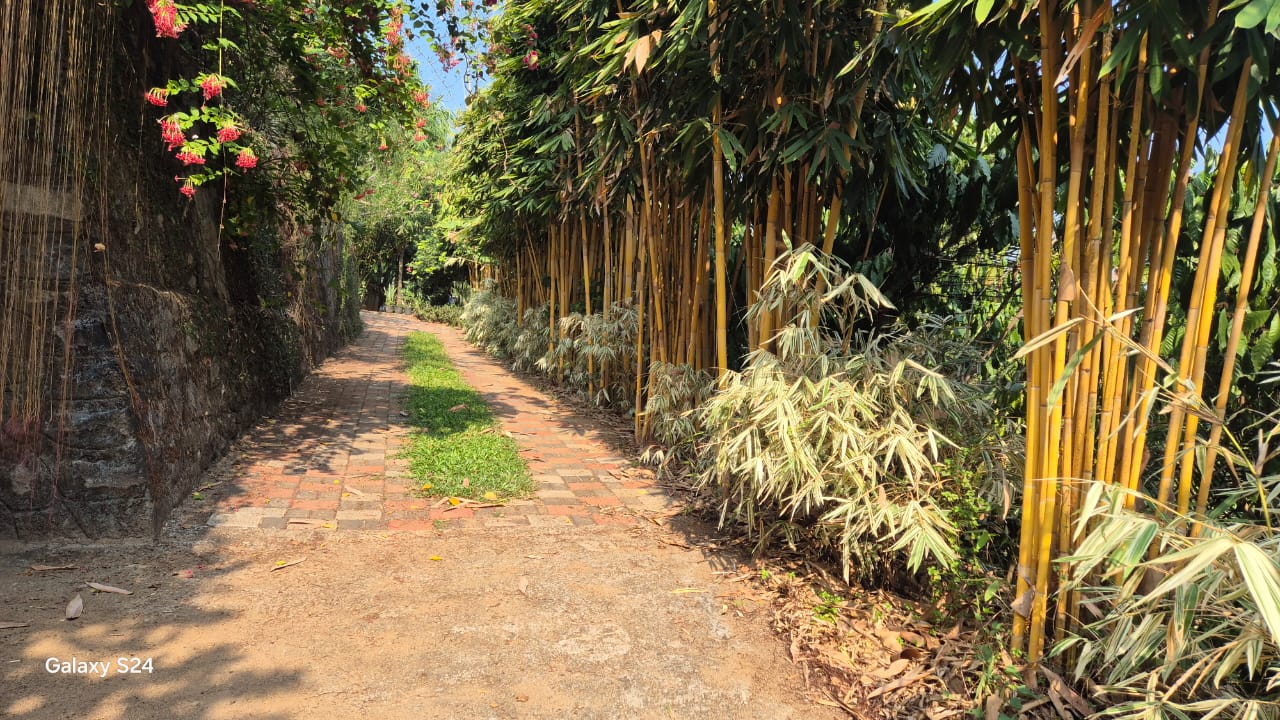
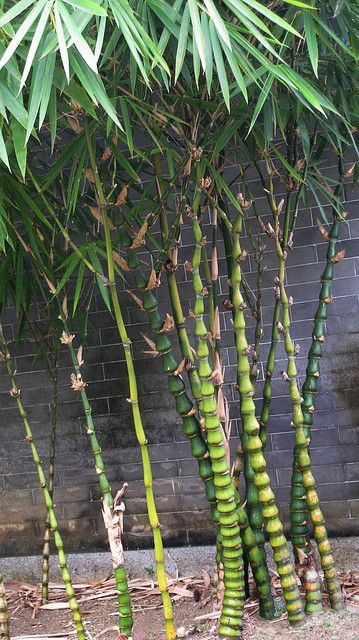
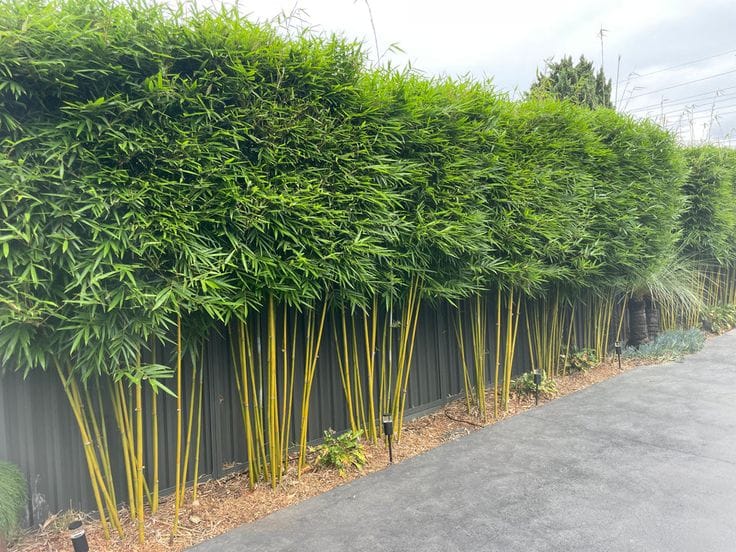
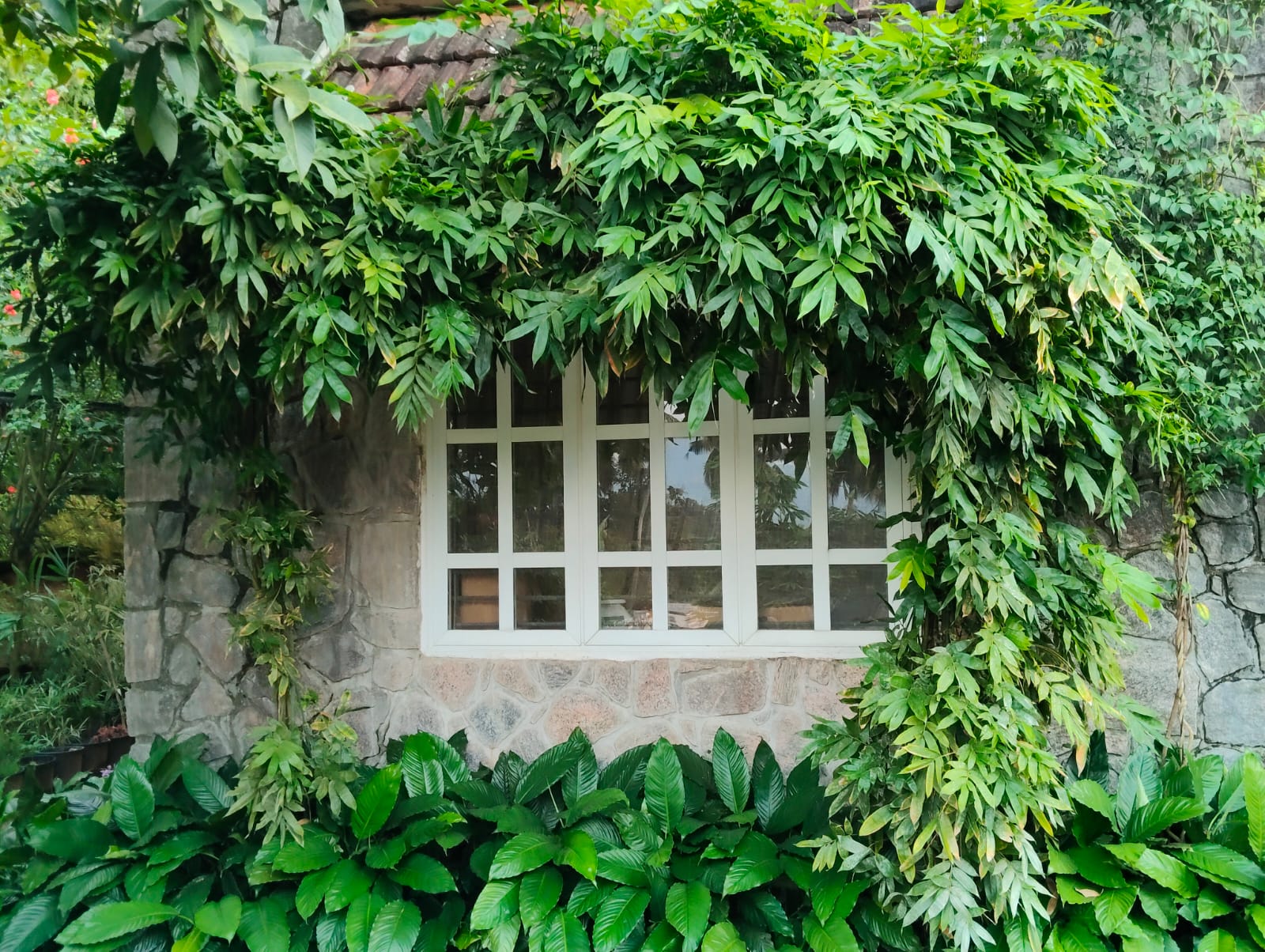
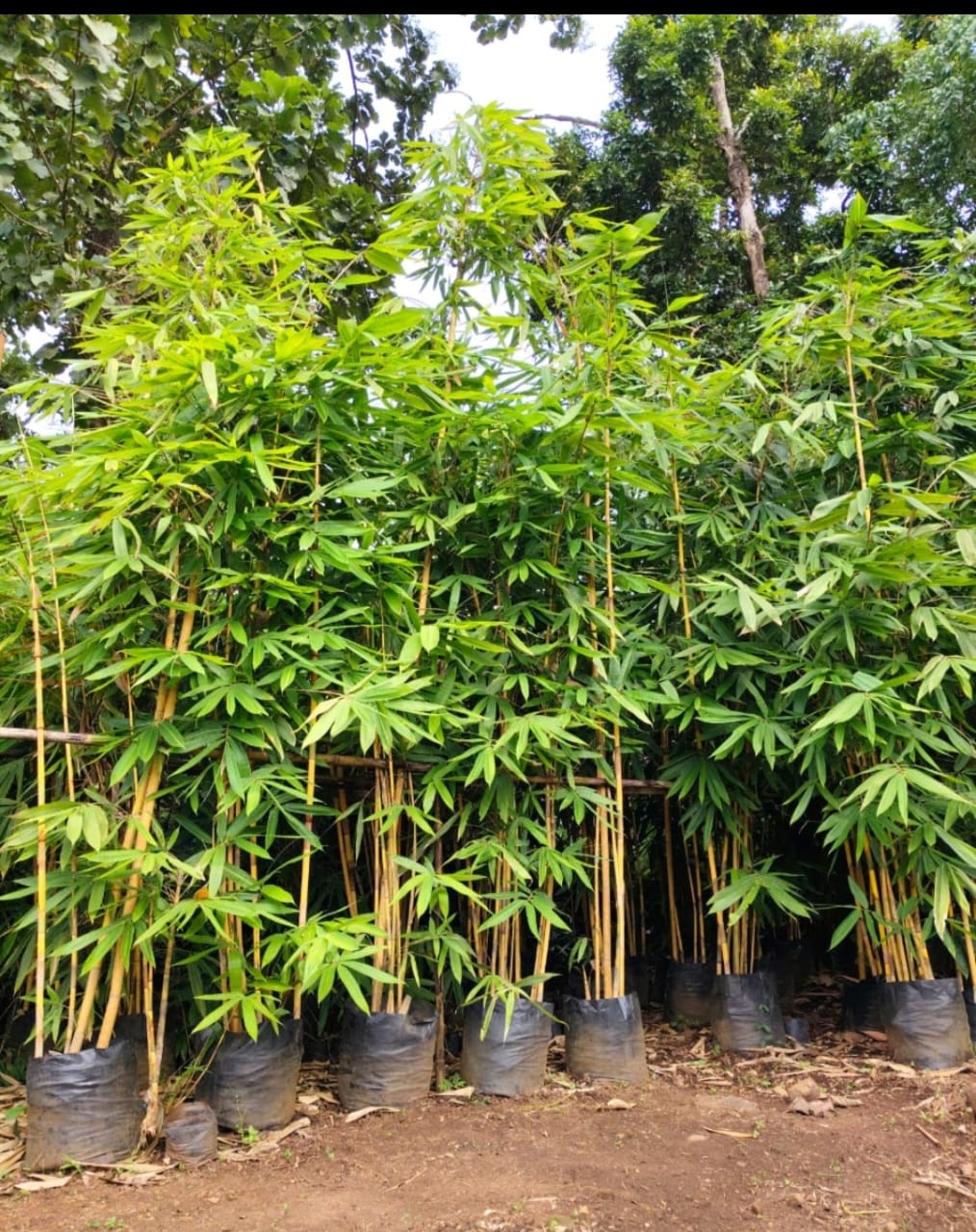
Inspired by Nature

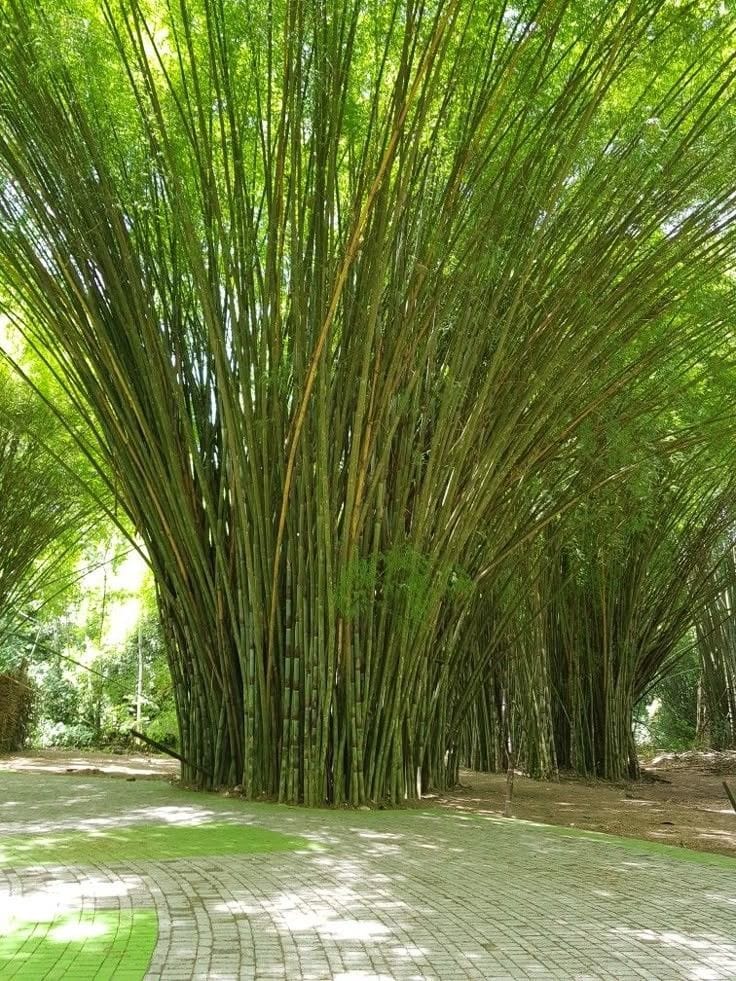
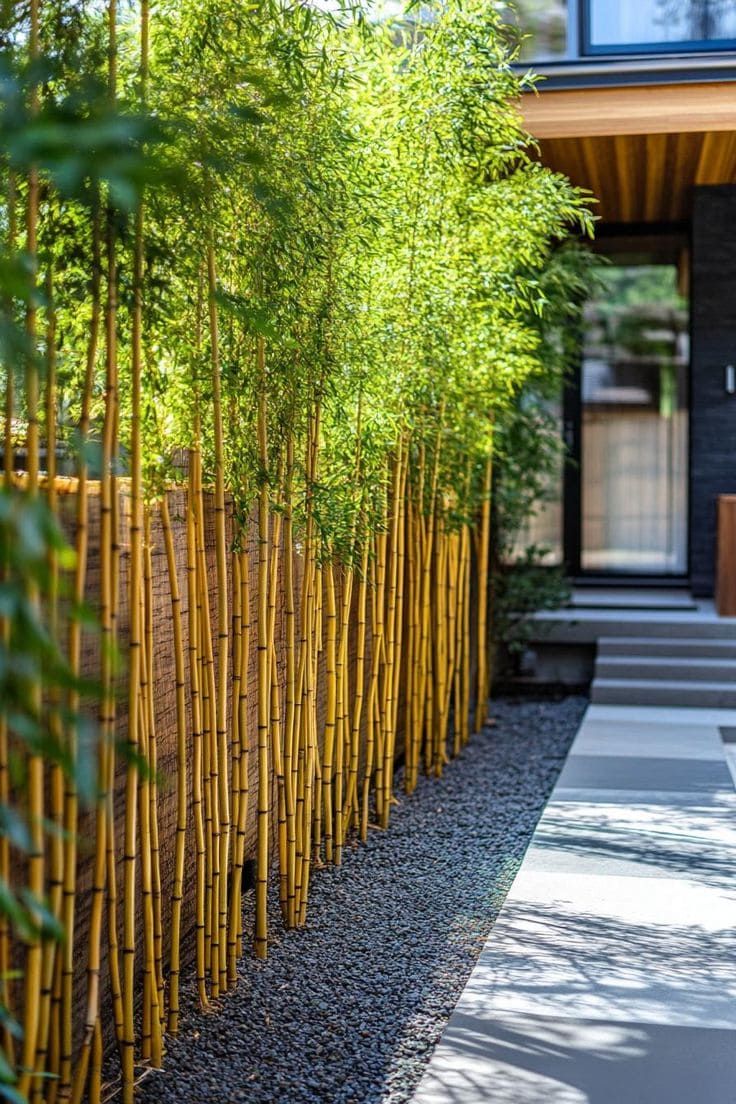
Your Growing Guide
Follow these proven steps for a healthy, high-yielding bamboo plantation.
Land Preparation & Soil Testing
Bamboo thrives in well-drained, loamy to sandy-loam soil with a pH of 5.5–7.0. Clear weeds, till the land 30–40 cm deep, and get a soil test done at your nearest KVK. Add organic compost or farmyard manure to boost fertility before planting.
Selecting & Sourcing Planting Material
Purchase certified rhizomes or tissue-culture plantlets from a registered nursery or forest department. Avoid wild-harvested material to prevent disease. Tissue-culture plants ensure uniformity and faster establishment.
Planting & Spacing
Dig pits of 60×60×60 cm. Mix excavated soil with compost and bone meal per pit. Plant at the start of monsoon (June–July) for best results. Maintain 4×4 m spacing for clumping types to allow healthy spread and air circulation.
Irrigation & Watering
Water every 3–4 days in the first year until established. After that, bamboo is largely drought-tolerant. If you have drip irrigation, deliver 15–20 litres per plant per week during dry months. Avoid over-watering — standing water causes root rot.
Fertilisation & Nutrition
Apply NPK (10:26:26) at 200 g per plant in the first year, split into two doses — June and October. From year 2 onwards, increase to 500 g and add urea in March. Supplement with organic compost annually.
Harvesting
Most varieties are ready for first harvest in 3–5 years. Harvest culms that are 3–5 years old — these are at peak strength. Cut at the base, leaving 30 cm above ground. Never harvest more than 30% of culms per clump per season.
Buy Bamboo For Your Garden
Why Choose Bamboo Products?
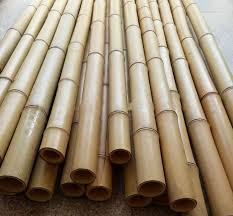
Bamboo Poles
- Strong yet lightweight
- Perfect for fencing & construction
- Budget-friendly alternative to wood
- Flexible and crack-resistant
Strong like wood, lighter and cheaper.
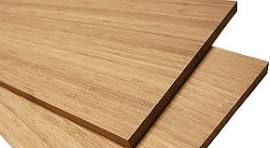
Bamboo Planks
- Smooth finish for furniture
- Stronger than typical plywood
- Modern premium look
- Eco-friendly material
Premium wood look, sustainable choice.
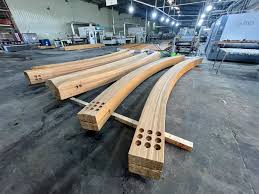
Bamboo Beams
- High load-bearing strength
- Lightweight but strong
- Long lifespan when treated
- Natural flexibility
Engineered strength, naturally grown.
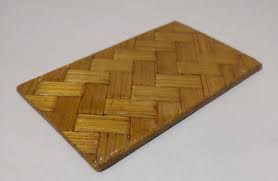
Bamboo Mat Boards
- Uniform, flat surface
- Lightweight but rigid
- High strength & durability
- Crack-resistant structure
Stronger than it looks, smarter than wood
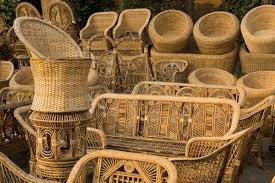
Bamboo Crafts
- Eco-friendly and biodegradable
- Lightweight yet strong
- Handmade aesthetic appeal
- Multi-purpose storage use
Naturally woven, beautifully functional.
Bamboo Fabrics
- Ultra-soft and breathable
- Moisture-wicking comfort
- Naturally antibacterial
- Skin-friendly fabric
Soft on you, gentle on nature.”
Buy Bamboo Materials

Sustainable Craft
Every piece reflects the strength and beauty of bamboo.