Bambusa Balcooa
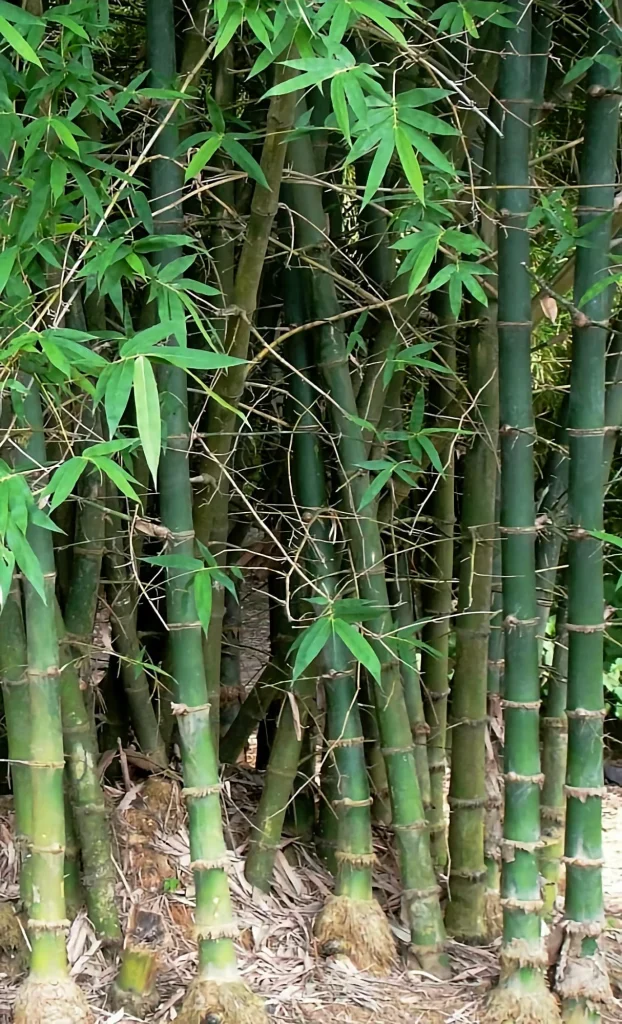
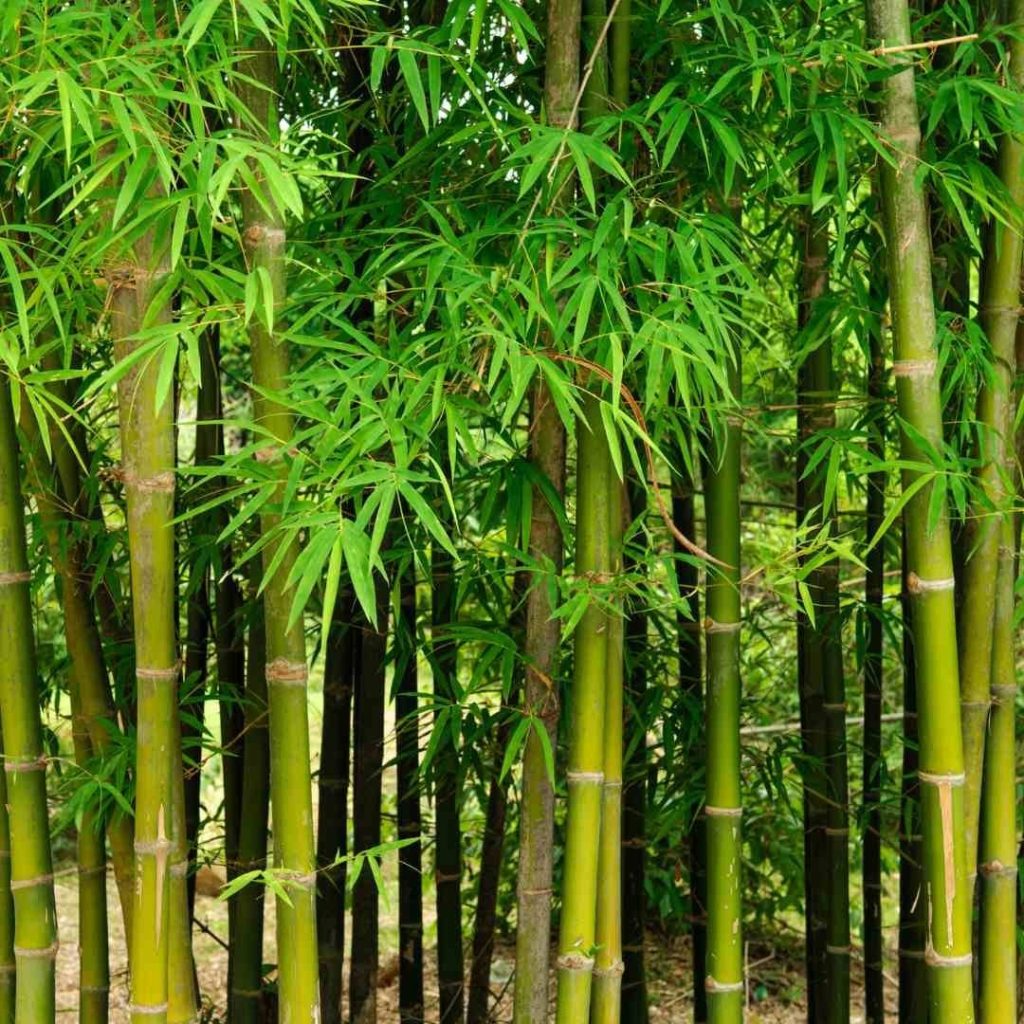
Common name – Balcooa
Usage – Scaffolding, Construction, Ladders, Agarbattl sticks,Edible shoots, Paper
The length and strength of Bambusa balcooa make it a useful material for the construction industry. Furthermore, it is a drought-resistant species with low rainfall requirements and can reach yields upwards of 100 metric tons per hectare (40 metric tons per acre). balcooa has recently gained popularity in South Africa as the species of choice for commercial plantations. Although not native to that country, it is the most prominent “giant” bamboo that is accepted as a naturalized species, since its introduction into South Africa during the 1600s.[citation needed] Government tenders were awarded for trials and studies to determine the feasibility of large-scale cultivation of bamboo in South Africa. However, after several years of research on the Bambusa balcooa species by industry leaders such as Camille Rebelo, it was a group called Ecoplanet Bamboo Group that became the first entity to successfully grow the species at commercial scale More recently , the South African government and other corporations such as ECDC have begun to realize the true economic potential of this giant bamboo in agricultural and forestry sectors.
Bambusa balcooa is a plant of the lowland tropics, where it can be found at altitudes up to 600 metres. It grows best in areas where annual daytime temperatures are within the range 22 – 28°c, but can tolerate 9 – 35°c. It prefers a mean annual rainfall in the range 2,300 – 3,000mm, but tolerates 700 – 4,500mm, typically growing in a tropical monsoon climate with a dry season of up to 6 months.
Succeeds in full sun and in dappled shade. Succeeds in any type of soil but prefers heavy textured soils with good drainage and pH of about 5.5. Prefers a pH in the range 5 – 6, tolerating 4.5 – 7.5.
Bamboos have an interesting method of growth. Each plant produces a number of new stems annually – these stems grow to their maximum height in their first year of growth, subsequent growth in the stem being limited to the production of new side branches and leaves. In the case of some mature tropical species the new stem could be as much as 30 metres tall, with daily increases in height of 30cm or more during their peak growth time. This makes them some of the fastest-growing species in the world.
The shoots emerge above the ground during the rainy season and reach full culm length within 2 – 3 months. The lateral branches develop simultaneously with the elongation of the culm. A culm becomes mature in 3 – 4 years. It seems advisable to start harvesting mature culms about 6 years after planting; selective cutting may encourage new culms to develop.
Bamboos in general are usually monocarpic, living for many years before flowering, then flowering and seeding profusely for a period of 1 – 3 years before usually dying. The flowering cycle of this species is estimated at 35 – 45 years.


Leave a Reply